Counseling in Colorado Springs & Across Colorado
You don’t have to figure it out alone.
Together we'll make sense of what's been keeping you stuck — and help you feel more alive, more grounded, and more yourself.


You've been meaning to talk to someone for a while.
Maybe you're not sure exactly what's wrong — just that something is. That low hum of inner exhaustion. A sense that you're harder on yourself than you need to be but you can't seem to stop. Feelings that are difficult to access or express, even when you want to. Patterns that keep showing up no matter how hard you try to change them.
You're not falling apart. You're functioning. But something underneath isn't right and you know it.
You're probably someone who thinks deeply, feels things more than you let on, and has been carrying something quietly for longer than you'd like to admit. You value honesty — in yourself and in the people you trust. You're not looking for someone to tell you what to do. You want someone who will actually get it. Who can sit with complexity without rushing to fix it. Who will be straight with you and stay with you through the hard parts.
If that sounds like you, I think we'd work well together.
How can counseling help?
Counseling helps by giving you a space to slow down and understand what's actually going on underneath — not just manage it.
Most of us spend a lot of energy pushing through, explaining away the discomfort, or waiting for things to shift on their own. Counseling interrupts that. It's a place to be honest about what you're carrying, understand where it comes from, and — through the experience of being genuinely known by another person — start to feel more at home in yourself.
Part of that means paying attention not just to your thoughts and patterns but to what lives in your body. Anxiety isn't only a thought — it's a tightness in your chest, a held breath, a nervous system that learned to stay braced. Real change tends to happen when we work at that level too, not just intellectually but somatically — in the felt sense of things actually shifting rather than just being understood differently.
When that happens, things change in ways that actually hold. The anxiety that used to spike doesn't have the same grip. The pattern you kept repeating starts to make sense — and loses some of its power. Relationships feel less complicated. You feel less at war with yourself. There's more room to breathe, to feel, to be present in your own life.

Worry & Anxiety
Constant worry and feeling ‘keyed up’ all the time can make even ordinary days feel exhausting. Together we'll look at what's underneath your distressing emotions and help you find your way back to feeling like yourself.
Trauma
Trauma shows up in ways we don’t always expect— burnout, perfectionism, feeling disconnected from yourself or others. In counseling, we’ll create a safe space to work through the pain of the past so you can start living more fully in the present.
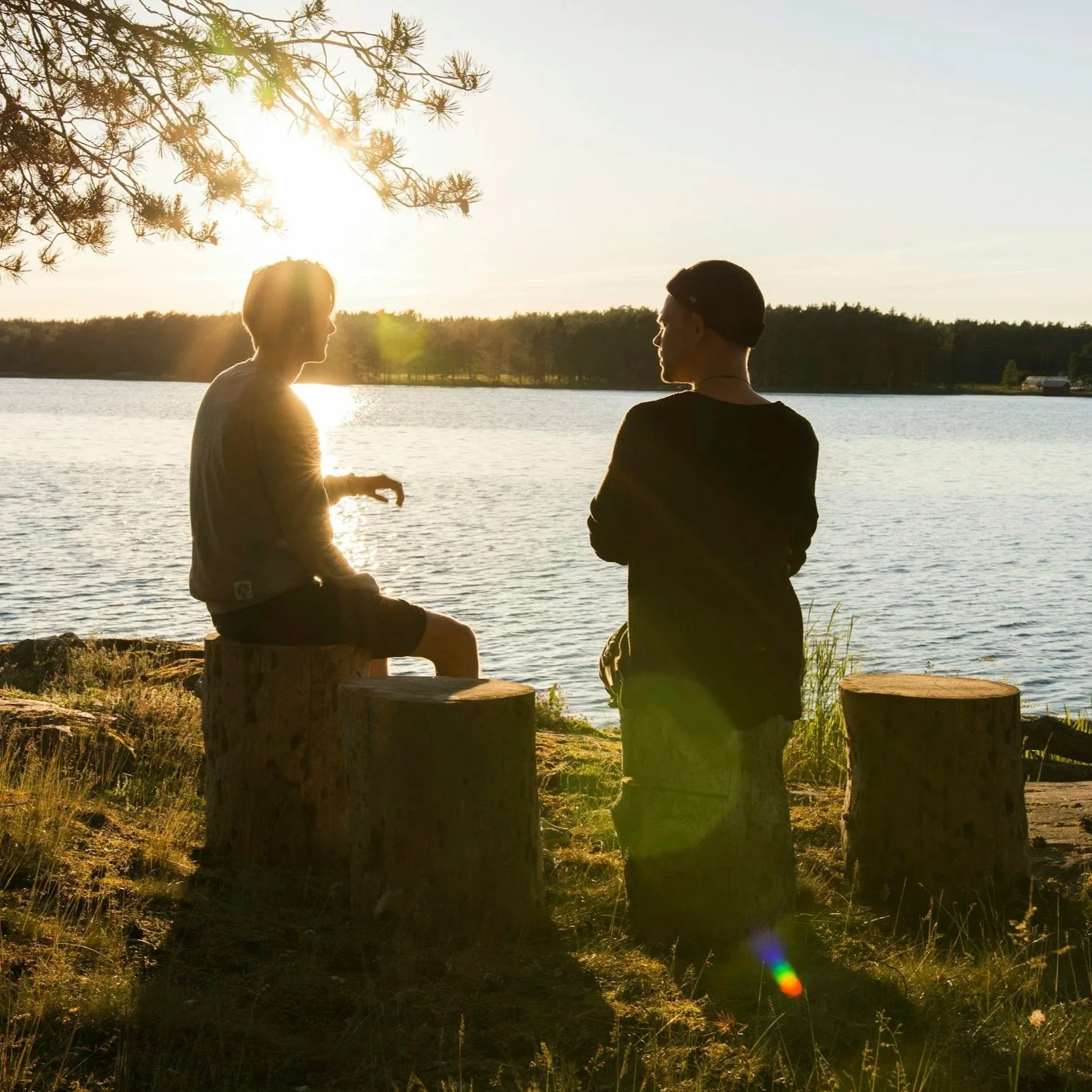
Relationship Issues
Repeating painful dynamics — giving too much, struggling to be heard, or wondering why connection feels so hard doesn't have to be permanent. Counseling can help you understand where these patterns come from and start to change them.
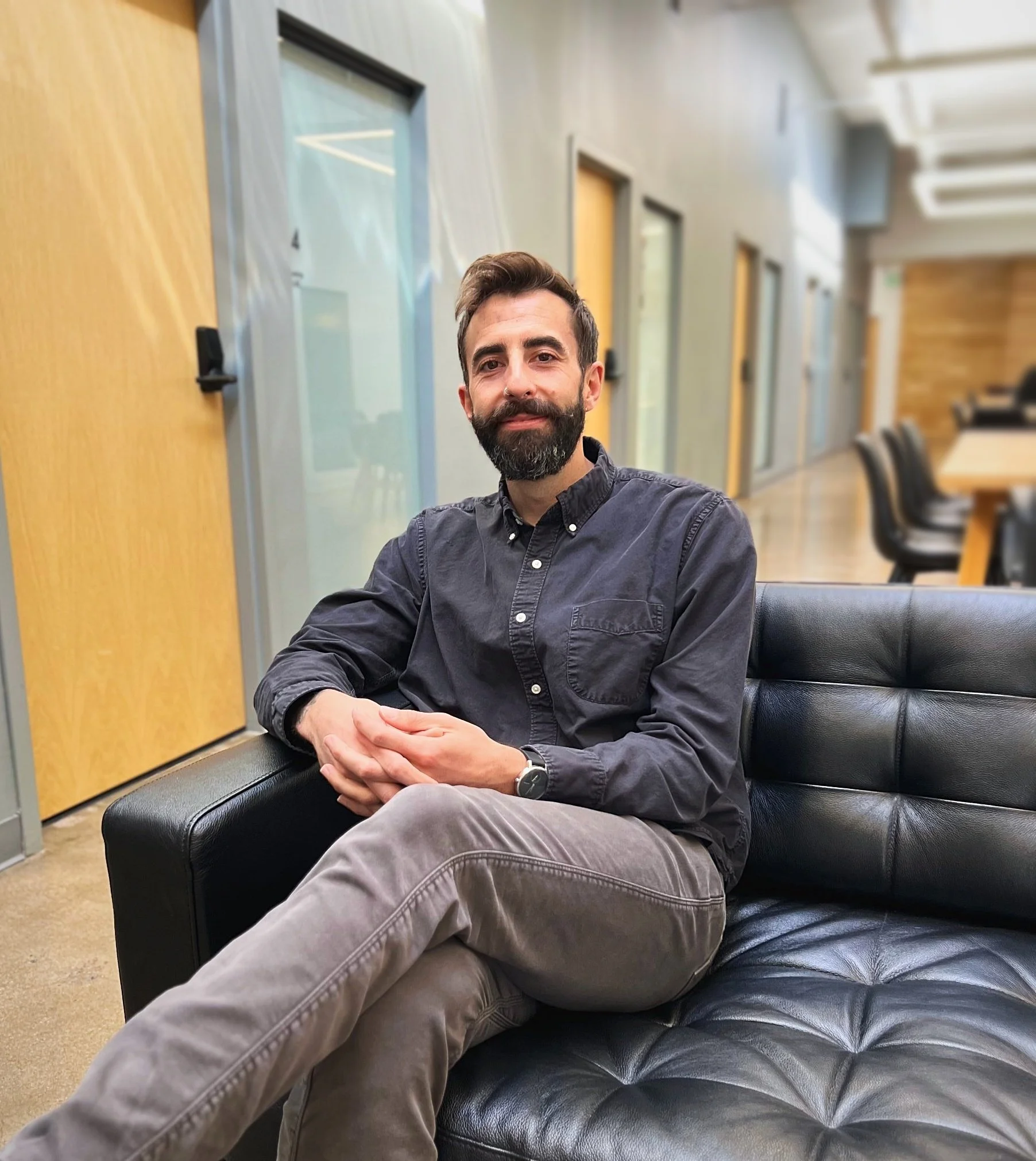
Well hello there…
I'm Blaise - a licensed professional counselor who knows what it's like to feel burdened by the complexity of life and relationships — being human isn't easy, but you don’t have to do it alone.
Therapy with me is a place to slow down and actually be heard — not managed, not analyzed, just genuinely met. We'll explore what's been hard to name, make sense of the patterns that keep showing up, and do it at a pace that feels real rather than rushed.
My hope is that you leave with a deeper relationship with yourself and the capacity to keep that connection going long after we're done.
Common Questions About Counseling
-
The kind of counseling I offer is relational and depth-oriented — meaning we're not just addressing symptoms on the surface, but trying to understand what's underneath them and why they're there. Traditionally this is called psychodynamic or psychoanalytic therapy.
At the heart of my approach is the relationship. I believe the relationship comes first — a space where you can be fully honest and feel genuinely met without judgment. Most lasting change doesn't happen through techniques or homework. It happens through the experience of being truly understood by another person.
My work is also shaped by a commitment to insight — paying attention to your history, your patterns, and the ways your past shows up in your present. Understanding where things come from is part of how their grip on you loosens.
I also pay close attention to what's happening in your body, not just your thoughts as we talk. I do this because emotions live in the body, and real change tends to happen at that level too, not just intellectually.
Along the way you'll develop practical tools for understanding yourself and managing what life brings — but these grow out of the deeper work rather than substituting for it.
The result isn't just symptom relief, though that happens. It's a stronger sense of who you are, relationships that feel more genuine, and a life that feels more like yours.
*You can read more about this type of therapy and the research that supports it here.
-
We’ll meet and talk together about why you’re wanting to start counseling and how you’re hoping it will help. I’ll ask you questions about your life background and experiences and give you time to ask me questions about my approach to make sure we’ll be a good fit.
-
While this depends on what type of support you’re needing, most clients see me weekly or bi-weekly so we can build a strong relationship and stay focused on helping you grow.
-
In counseling you say whatever comes to mind! Seriously - you speak as freely as you’re able, even if it feels awkward or unrelated. Trust me. It will connect with why you’re here. When that feels hard, I encourage people to talk with me about what they’ve been feeling throughout the week - that brings us to important places together.
-
This depends on why you’re starting therapy. Many people start to feel better within 2-6 months, but stay in counseling because they want to feel more. Deeper self-exploration takes time. I think you’re worth getting to know and grow if you are able to take the time.
-
When counseling is effective, you may find yourself understanding yourself at a deeper level, feeling emotions more deeply, experiencing more connection with yourself and others, and having an increased sense of freedom or creativity in how you engage with your life.
There is no single outcome for counseling - everyone needs different things from the relationship. But overall, counseling should help you love, work, and play with greater depth and fulfillment amidst life’s inevitable pain and uncertainty.
-
I offer in-person sessions at my office on the Westside of Colorado Springs, and also offer secure video Telehealth sessions for anyone in Colorado.